Why Traditional Hospitality Training Fails — and What Modern Teams Need
The hospitality industry has evolved dramatically, but its training practices often look the same as they did decades ago. Long seminars, dated manuals, and role-play sessions still dominate. Unfortunately, this static approach doesn’t match the pace of today’s workforce, where high turnover, short attention spans, and rising guest expectations demand new solutions.


The hospitality industry has evolved dramatically, but its training practices often look the same as they did decades ago. Long seminars, dated manuals, and role-play sessions still dominate. Unfortunately, this static approach doesn’t match the pace of today’s workforce, where high turnover, short attention spans, and rising guest expectations demand new solutions.
Traditional training tends to fail for four main reasons: it’s labor intensive, not continuous; generic; expensive; doesn’t meet every employee’s specific baseline skillset. In an industry where one poor interaction can destroy a reputation, these flaws are costly. Staff turnover erases training ROI, and every new hire starts the cycle over again.
Hospitality workers today crave interactive, bite-sized, and personalized learning experiences.
They’re digital natives used to feedback loops and gamified engagement. When training feels outdated or irrelevant, participation and retention plummet. Employees don’t just want to be told what to do; they want to understand why it matters.
Research from LinkedIn Learning shows that 94% of employees would stay longer at a company that invests in their growth. For hospitality, where retention is notoriously low, this insight is crucial: learning equals loyalty.
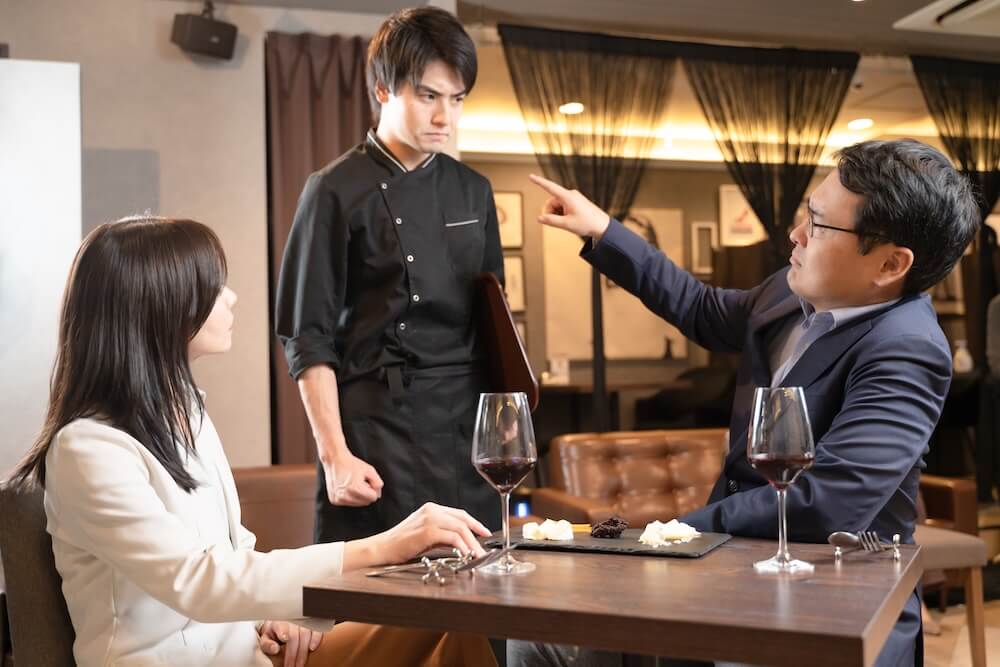
Behavioral science tells us that adults learn best by doing. Realistic simulation, active recall, and feedback are what cement knowledge. That’s why hospitality’s future lies in experiential training — live practice that mirrors reality. Rather than passive observation, employees practice resolving real conflicts in a safe environment.
Tools like Crisis Coach reflect this evolution by using AI-powered, scenario-based learning. Employees engage in live practice sessions where they can safely make mistakes and instantly learn from them. Managers gain analytics on progress and skill development, turning what used to be intuition into measurable data.
The biggest mindset shift is understanding that training isn’t a one-time cost — it’s a continuous investment.
When training becomes woven into daily operations, it reinforces company culture, accountability, and confidence. Managers who see learning as part of leadership development inspire stronger teams and better service.
Consistent, measurable training improves guest experiences, reduces service inconsistencies, and safeguards reputation. It turns reactive teams into proactive ones, ready to handle whatever walks through the door.
Hospitality can’t afford to rely on outdated approaches any longer. The workforce has changed. The stakes are higher.
Training must evolve from a checkbox exercise to a dynamic, continuous process rooted in real-world practice. The companies that embrace this shift will not only reduce turnover but will also define the next standard of hospitality excellence.
Sources
• ReviewTrackers — Hospitality Training Insights
• LinkedIn Learning — 2023 Workplace Learning Report
• Association for Talent Development (ATD) — Forgetting Curve Research
• QSR Magazine — How Training Impacts Guest Experience
• Pollack Peacebuilding Systems — Modern Training Practices
Other Blogs
Building the Modern Hospitality Workforce — Emotional Intelligence, Retention, and the Guest Experience

The Cost of Unpreparedness — How Poor Training Erodes Hospitality from Within