The Cost of Unpreparedness — How Poor Training Erodes Hospitality from Within
In hospitality, a brand’s reputation is its most valuable asset. It can take years to build guest trust and only one poor interaction to lose it. The industry has long understood that great service drives loyalty and profitability, yet the systems meant to create that consistency often fail.


In hospitality, a brand’s reputation is its most valuable asset. It can take years to build guest trust and only one poor interaction to lose it. The industry has long understood that great service drives loyalty and profitability, yet the systems meant to create that consistency often fail. The core issue? A lack of training that genuinely prepares teams for the realities of high-pressure, human-centered work.
A ReviewTrackers study found that 94% of consumers say a negative review has convinced them to avoid a business. In the restaurant industry, where annual turnover hovers near 74%, every lost customer, damaged review, or stressed employee compounds the loss. When a guest experience goes wrong, the consequences ripple far beyond the moment — they shape how potential customers perceive your entire brand.
The average cost to replace a single hourly restaurant worker is $2,305. That number doesn’t even account for the time spent recruiting, onboarding, and retraining, nor for the potential revenue lost when operations run short-staffed. When training is inconsistent or ineffective, new hires struggle to meet guest expectations, seasoned staff burn out from picking up slack, and managers find themselves fighting fires instead of leading.
The numbers tell a clear story: 60% of hospitality employees report never receiving conflict management training, and 45% have left a job due to negative supervisor interactions. Those who do receive training overwhelmingly say it helps them resolve workplace issues — yet too often, that training is reactive, not preventative.
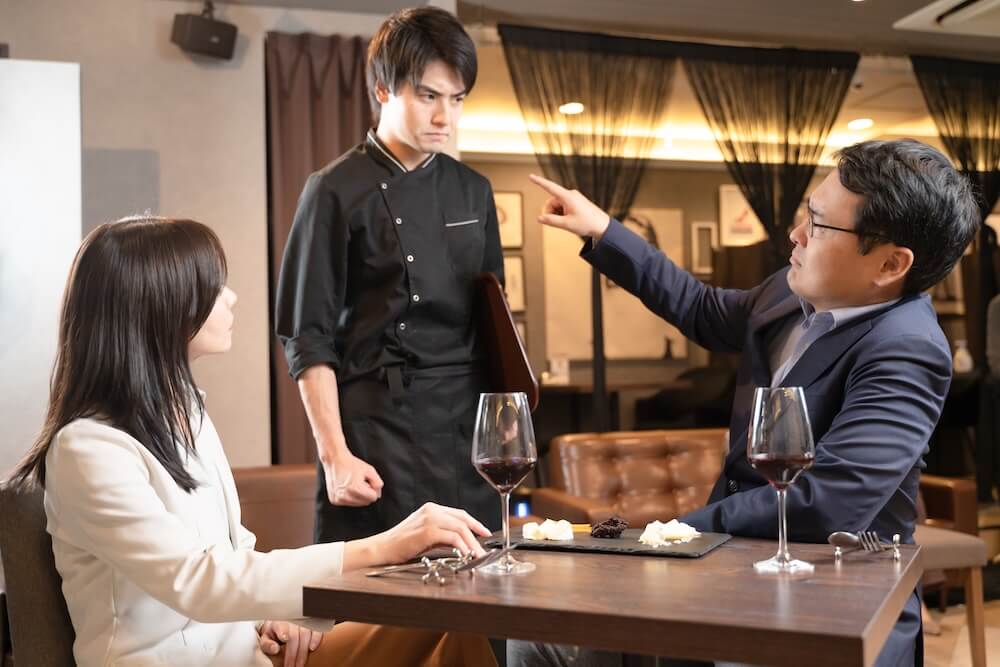
Hospitality work is demanding. Staff deal with demanding guests, long hours, and emotional labor that’s rarely acknowledged. Without proper coaching, employees internalize stress, leading to emotional exhaustion and detachment — two primary predictors of turnover. Managers often rise through the ranks based on tenure or operational expertise, not leadership skill, which further widens the gap between team expectations and managerial capability.
Modern leadership requires effective communication. Employees expect managers to mediate, not escalate. Yet many organizations still rely on outdated 'command and control' structures that leave little room for dialogue or feedback. When managers lack people skills, they unintentionally drive attrition, create friction, and damage morale.
Reputation management today is inseparable from team readiness. Social media and review platforms have created a 24/7 feedback loop where every service failure becomes public within hours. This transparency has made training no longer optional — it’s existential. A single viral review can tank a restaurant’s local search visibility and discourage repeat visits. In contrast, well-trained teams de-escalate issues before they ever reach that stage.
Crisis preparedness and communication training have become the insurance policies of modern hospitality. It’s not just about avoiding bad press; it’s about cultivating guest loyalty through competence and care. Training helps employees feel empowered, which translates into calmer interactions, better recovery, and stronger brand advocacy.
Traditional training models — the annual workshop, the onboarding manual, the role-play session — aren’t keeping up. They’re expensive, one-off, and quickly forgotten. The reality of hospitality work demands real-time reinforcement, measurable skill-building, and continuous practice.
This is where modern solutions like Crisis Coach exemplify how the industry is evolving. Instead of passively watching videos or sitting in a lecture, employees engage in live, scenario-based sessions that mirror real conflicts: handling guest complaints, diffusing tensions, and navigating ethical gray areas. The technology provides instant feedback, helping employees build confidence through repetition — a far more effective model than static instruction.
Investment in training isn’t just altruistic — it’s strategic. The ROI comes in lower turnover, fewer errors, and a more resilient team culture. When employees feel supported, they stay longer and perform better. A well-prepared staff not only delivers better service but also protects your brand’s most valuable asset: trust.
Hospitality will always be a people business. But in an era defined by labor shortages and online transparency, preparedness is no longer a differentiator — it’s survival. Training transforms potential crises into opportunities for loyalty and long-term value.
Sources
• ReviewTrackers — Customer Experience Statistics Report
• Business Insider — Why Customer Service Matters More Than Ever
• LinkedIn Learning — 2023 Workplace Learning Report
• QSR Magazine — Employee Retention in Restaurants
• Pollack Peacebuilding Systems — Conflict Management Training Survey
Other Blogs
Building the Modern Hospitality Workforce — Emotional Intelligence, Retention, and the Guest Experience

Why Traditional Hospitality Training Fails — and What Modern Teams Need