Building the Modern Hospitality Workforce — Emotional Intelligence, Retention, and the Guest Experience
Hospitality has always been about connection — the ability to make guests feel seen, heard, and valued. But as customer expectations rise and labor markets tighten, one skill stands above all others: emotional intelligence (EI).
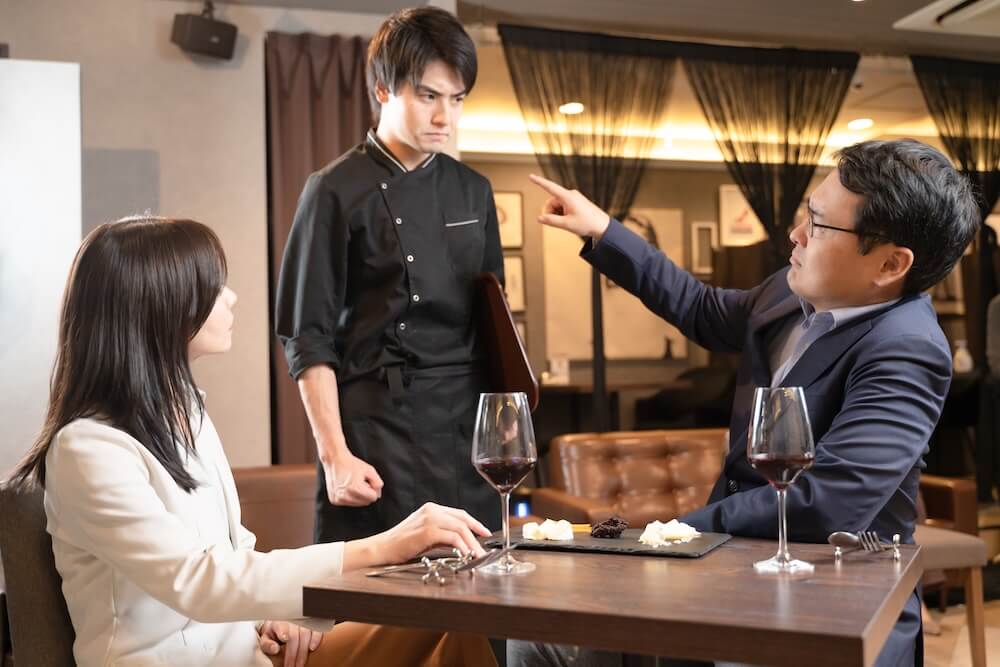

Hospitality has always been about connection — the ability to make guests feel seen, heard, and valued. But as customer expectations rise and labor markets tighten, one skill stands above all others: emotional intelligence (EI).
It’s the ability to manage one’s emotions and read those of others — a critical component of service recovery, conflict resolution, and leadership.
Hospitality employees often face intense emotional demands: handling complaints, resolving disputes, and managing unpredictable guest behavior. Yet most receive little to no formal training in how to navigate those moments. Studies show 60% of employees have never received conflict management training, despite 95% saying it helped when they did. Without guidance, teams are left to figure it out, often at the expense of morale and consistency.
When emotional labor goes unacknowledged, burnout follows. The result? High turnover, disengagement, and deteriorating guest experiences.
Hospitality’s staffing challenges aren’t just about wages or hours — they’re about emotional exhaustion.
EI is the foundation of service excellence. It affects communication, teamwork, and decision-making. In hospitality, emotionally intelligent employees create trust with guests and de-escalate tense situations before they spiral. Managers with high EI cultivate psychological safety, leading to higher engagement and lower turnover.
A TalentSmart study found that EI accounts for nearly 60% of job performance. Yet, despite its clear importance, most training programs focus on operational procedures rather than emotional skills. It’s like teaching someone to cook without showing them how to handle the heat.
You can’t teach empathy through a slideshow. It requires experience, feedback, and repetition — just like any other muscle. That’s why experiential learning, such as live scenario training, is so powerful. When employees role-play difficult conversations or handle simulated guest complaints, they’re not memorizing scripts — they’re internalizing responses.
Modern tools like Crisis Coach enable exactly that kind of realistic, adaptive practice. Staff can engage with AI-driven scenarios that mirror real challenges — an irate customer, a sensitive discrimination complaint, a guest under the influence — and receive instant feedback. These scenarios build confidence and self-awareness, helping employees translate emotional skill into action.
Retention isn’t just about pay or perks. Employees stay where they feel competent and supported. Training that focuses on communication, empathy, and self-regulation reduces workplace tension and turnover.
When teams learn to handle conflict with grace, they not only improve guest experiences but also create more harmonious internal dynamics.
The next generation of hospitality professionals expects workplaces that invest in people, not just profits. Emotional intelligence training signals that investment. It says, ‘We see you, and we’re preparing you for success.’ When organizations treat EI as a core competency — equal to operational skills — they cultivate employees who perform better, stay longer, and elevate the brand.
Hospitality will always be unpredictable, but emotionally intelligent teams make it resilient.
They turn daily challenges into defining moments of care and professionalism. In a world where service defines success, emotional intelligence isn’t just a soft skill — it’s a strategic advantage.
Sources
• TalentSmart EQ — Emotional Intelligence and Job Performance Report
• SHRM — 2024 Employee Retention Report
• LinkedIn Learning — Workplace Learning & Development Survey
• ReviewTrackers — Customer Feedback and Retention Report
• Pollack Peacebuilding Systems — Conflict Resolution in the Workplace
Other Blogs

Why Traditional Hospitality Training Fails — and What Modern Teams Need

The Cost of Unpreparedness — How Poor Training Erodes Hospitality from Within